I approach wedding rentals as an event setup coordinator who has spent years helping couples and planners prepare outdoor ceremonies, hotel receptions, and private estate celebrations around Tampa, Florida. I have learned that the rental decisions that seem minor during planning can make a major difference once guests arrive. A beautiful venue still needs comfortable seating, reliable tables, suitable lighting, and a layout that allows people to move around without confusion. I always begin by looking at the venue, the guest count, and the atmosphere the couple wants to create before recommending individual rental items.
Choosing Rentals That Suit the Tampa Venue
I start every rental plan with the location because Tampa weddings can take place in very different settings. A waterfront ceremony may need sturdy chairs and a practical plan for wind, while a hotel ballroom might call for elegant banquet tables and carefully arranged lighting. I also check the available setup area, access points, and the distance between the ceremony and reception spaces. These details help me determine which items will work well without making the venue feel crowded.
Florida weather deserves attention from the beginning. I have seen outdoor plans change quickly when afternoon rain clouds appeared, especially during warmer months when storms can develop with little warning. For a wedding with 100 guests, I would discuss a covered alternative, suitable tenting if the venue permits it, and a clear process for moving rental equipment if conditions change. I never assume that a sunny forecast removes the need for a backup plan.
Venue restrictions can affect the rental list as much as the design itself. Some locations have limits on tent installation, open flames, floor protection, delivery vehicles, or the hours when vendors may work. I confirm these rules before selecting heavy furniture or decorative installations because changing a rental order late can create unnecessary costs. A short conversation with the venue manager often answers questions that are easy to overlook during a site visit.
Finding the Right Wedding Rental Provider
I look for a rental provider that can explain its inventory, delivery arrangements, setup options, and collection procedures clearly. Couples planning a celebration in the area can review wedding rentals Tampa to explore rental possibilities for their event. I recommend checking whether the available items match the venue’s requirements and the couple’s preferred style before requesting a final quote. Clear communication at this stage makes the later planning work much easier.
I also compare quotes carefully instead of choosing a provider based on the lowest starting price. One estimate might include delivery, placement, and pickup, while another may list those services separately or apply additional charges for particular locations and time windows. I ask for an itemized breakdown covering the rental period, damage terms, cancellation rules, and any minimum order requirements. That gives me a more realistic picture of the final cost.
Inventory confirmation matters too. If I am planning a reception with 12 guest tables, I want to know that the required chairs, linens, and table sizes are available for the same date rather than relying on a general catalog. I also ask about substitutions in case an item becomes unavailable before delivery. Getting those details in writing helps prevent last-minute disagreements.
Building a Practical Furniture and Table Plan
I usually work out the seating plan before choosing decorative extras. The guest count determines how many chairs and tables I need, while the room dimensions help me decide how much space to leave for servers and guests moving between areas. For example, a reception for 80 people might use eight tables seating 10 guests each, provided the table sizes and venue layout support that arrangement. I always confirm the actual capacity with the venue rather than assuming every room can accommodate the same setup.
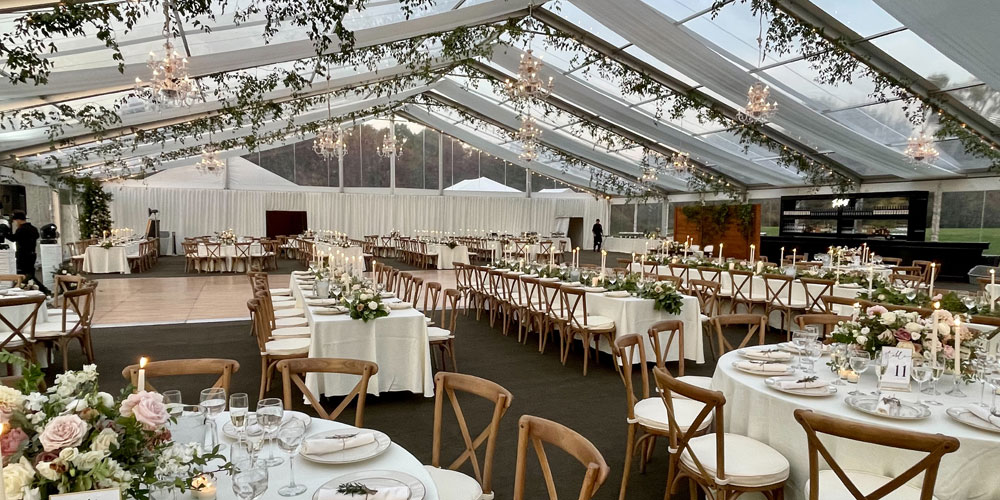
Table shape influences the overall feeling of a reception. Round tables can encourage conversation among small groups, while long banquet tables can create a shared dining arrangement that suits a relaxed or rustic celebration. I consider the couple’s centerpiece plans before choosing linen sizes and table dimensions because oversized decorations can make a table feel cramped. Even a simple arrangement looks better when guests have enough room for plates, glasses, and personal belongings.
Chair selection deserves a practical review. Chiavari chairs can suit a formal reception, while padded banquet chairs may be more comfortable for a long dinner and extended speeches. I compare the available styles against the venue’s flooring, the table design, and the expected length of the event. Comfort matters after several hours of sitting.
I also plan for the spaces guests use between activities. A welcome table near the entrance, a dedicated gift area, and a suitable place for the guest book can reduce congestion during arrival. For larger receptions, I may recommend a few lounge seats where older guests or relatives can take a break from the main dining area. These small decisions can make the event feel easier to navigate.
Matching Decor, Linens, and Lighting
I treat rental decor as part of the room’s overall design rather than a collection of separate purchases. Tablecloths, runners, napkins, and chair finishes should work with the venue’s existing colors and surfaces. If the wedding palette includes soft neutrals and greenery, I might suggest ivory linens with restrained floral accents instead of adding several competing colors. I request fabric samples or clear product photographs when the exact shade matters.
Lighting changes how a reception feels after sunset. String lights can add warmth to an outdoor dining area, while uplighting may help highlight architectural features inside a ballroom. I check the venue’s electrical access and installation rules before including powered lighting in the rental plan. For outdoor celebrations, I also ask how fixtures and cables will be protected from moisture and kept away from guest walkways.
Backdrops and ceremony structures require more than visual planning. I consider their dimensions, installation requirements, and stability, particularly when an arch or decorative frame will be placed outdoors. Tampa’s occasional strong breezes can affect lightweight structures, so I ask the rental team how each item will be secured and whether the venue permits the proposed installation. I would rather simplify a design than use a feature that cannot be installed safely.
I keep the design focused. A reception with a striking focal point, coordinated table settings, and comfortable seating often feels more polished than a room filled with unrelated decorations. I decide where the couple wants guests to look first, then use rentals to support that priority. This approach also helps me avoid spending money on details that will have little impact during the celebration.
Managing Rental Costs Without Sacrificing Comfort
I establish a rental budget early and divide it into practical categories such as seating, dining furniture, linens, lighting, and decorative features. The total depends on the venue, the date, the inventory selected, and the services included in the quote. I avoid relying on a single advertised package price because it may not reflect the needs of a particular guest count or event layout. An itemized estimate is a better starting point for making decisions.
When the budget is tight, I prioritize items guests will use throughout the event. Tables, chairs, and suitable dining linens generally come before optional decorative pieces in my planning process. A customer last spring wanted an elaborate reception look but needed to reduce several thousand dollars from the initial event budget, so I would approach that situation by simplifying the decorative installations and concentrating on a few well-chosen focal areas. The goal is to preserve the intended atmosphere without paying for features that add little practical value.
I also check whether a rental package offers genuine savings. Packages can be convenient when the included quantities and styles match the event, but extra items may increase the price without serving a clear purpose. I compare the package with the cost of renting the required pieces individually and review delivery fees before deciding. I never assume that a bundled offer is automatically the most economical choice.
Delivery timing can influence the budget as well. Some venues allow equipment to arrive the day before the wedding, while others provide only a short setup window on the event date. I confirm these arrangements before booking because restricted access may require additional labor or a different delivery schedule. A realistic timeline helps me avoid preventable charges and rushed installation.
Planning Delivery, Setup, and Collection
I create a delivery plan that identifies where rental trucks can stop, which entrance the crew should use, and who will be available to approve the setup. For a venue with separate ceremony and reception areas, I label each group of items so the crew knows exactly where chairs, tables, and decorative pieces belong. I also share a floor plan when possible instead of depending on verbal directions alone. This saves time when several vendors are working at the same location.
The setup schedule needs to account for other event services. Florists may need access to tables before final decorations are placed, while caterers may require clear routes to the kitchen and dining area. I coordinate these tasks with the venue and the relevant vendors so one team does not block another. A wedding day runs more smoothly when everyone understands the order of work.
I pay attention to the collection arrangements before signing the rental agreement. Some providers collect equipment after the reception, while others arrange pickup the next morning or require items to be gathered in a designated location. I confirm who is responsible for folding linens, stacking chairs, removing decorations, and reporting any damaged pieces. These responsibilities should be clear before the couple leaves the venue.
I also keep a copy of the final rental order and the contact details for the person handling delivery. If the order includes 100 chairs, 10 tables, and several lighting pieces, I check the delivered inventory against the written list before the crew leaves whenever the schedule allows. I report visible issues promptly and follow the provider’s process for documenting them. This simple habit can make resolving a missing or damaged item much easier.
Preparing for Weather and Last-Minute Changes
I treat weather planning as part of the rental order, particularly for weddings held in Tampa’s warmer seasons. An outdoor ceremony may need shade for guests, a covered waiting area, and a backup location that can accommodate the planned seating. I ask the venue which changes are possible and how much notice is required before moving the event indoors. A backup plan works best when the equipment and layout have already been considered.
I avoid making unapproved changes to tenting, electrical equipment, or heavy installations when conditions deteriorate. The venue and qualified rental crew should determine whether the setup remains safe, especially if strong winds or lightning are present. I also consider the comfort of guests who may be standing outside while waiting for the ceremony to begin. Keeping people informed is often just as important as moving the furniture.
Guest numbers can change close to the wedding date, so I review the provider’s deadline for adjusting quantities. If the couple expects a final attendance count shortly before the event, I ask how late additional chairs or table settings can be requested and whether reductions carry fees. I do not promise that last-minute inventory will be available because other events may be using the same items. Confirming the policy early gives the couple a clear decision point.
I finish the planning process by reviewing the rental order, venue rules, delivery window, setup diagram, weather alternative, and pickup schedule together. Each part affects the others, and a change to one item can influence the layout or timing of the entire event. I encourage couples to choose rentals that suit their actual venue and guest needs rather than copying a design that worked somewhere else. With thoughtful coordination, the furniture and decor can support the celebration without becoming a source of stress.
Is this conversation helpful so far?
Leave a Reply